Elizabeth Ekadashi Marathi Movie ((better)) -
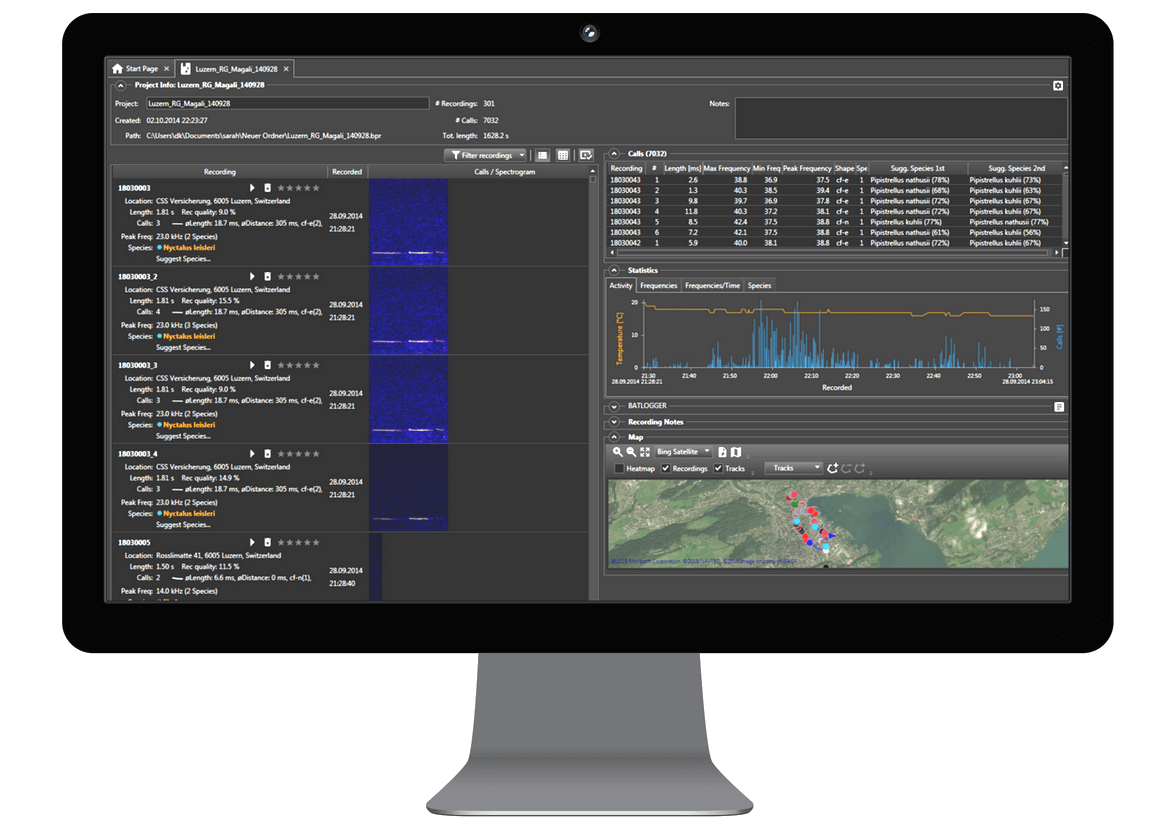
Analyse your recordings
Organize recordings easily and fast
Automatic bat call detection
Listening, viewing and classifying recordings
Automate recurring actions with tasks
Bat species suggestions
Organize recordings easily and fast
Automatic bat call detection
Listening, viewing and classifying recordings
Automate recurring actions with tasks
Bat species suggestions
At its heart, Elizabeth Ekadashi is not just a film about a bicycle. It is a layered narrative about:
The title itself is genius. Ekadashi is a holy day dedicated to Lord Vishnu, observed through fasting and prayer. Elizabeth is a Christian name. Bringing these two disparate elements together—a traditional Hindu ritual and a modern, Western-sounding name—perfectly encapsulates the film’s theme: the collision of tradition with modernity, and the universal nature of childhood dreams that transcend religion and class. Elizabeth Ekadashi Marathi Movie
Paresh Mokashi, who previously directed the acclaimed Harishchandrachi Factory , treats the screenplay with immense gentleness. The dialogues, written by Madhugandha Kulkarni, are sharp, culturally authentic, and incredibly funny. The child actors deliver performances so natural that they feel less like scripted actors and more like real children caught on camera. At its heart, Elizabeth Ekadashi is not just
Paresh Mokashi brilliantly juxtaposes the religious fervor of Pandharpur with Dnyanesh’s rational mind. While millions flock to the town to seek blessings from Lord Vitthal, Dnyanesh looks at the crowd as a potential market to sell goods and save his bicycle. The film gently suggests that true devotion lies in karma, intellect, and compassion rather than blind rituals. 3. Economic Reality and Dignity Elizabeth is a Christian name
At its heart, Elizabeth Ekadashi is not just a film about a bicycle. It is a layered narrative about:
The title itself is genius. Ekadashi is a holy day dedicated to Lord Vishnu, observed through fasting and prayer. Elizabeth is a Christian name. Bringing these two disparate elements together—a traditional Hindu ritual and a modern, Western-sounding name—perfectly encapsulates the film’s theme: the collision of tradition with modernity, and the universal nature of childhood dreams that transcend religion and class.
Paresh Mokashi, who previously directed the acclaimed Harishchandrachi Factory , treats the screenplay with immense gentleness. The dialogues, written by Madhugandha Kulkarni, are sharp, culturally authentic, and incredibly funny. The child actors deliver performances so natural that they feel less like scripted actors and more like real children caught on camera.
Paresh Mokashi brilliantly juxtaposes the religious fervor of Pandharpur with Dnyanesh’s rational mind. While millions flock to the town to seek blessings from Lord Vitthal, Dnyanesh looks at the crowd as a potential market to sell goods and save his bicycle. The film gently suggests that true devotion lies in karma, intellect, and compassion rather than blind rituals. 3. Economic Reality and Dignity
More information about the software can be found in the Online User Guide.